

Benefits of Choosing Dental Implants Over Traditional Dentures
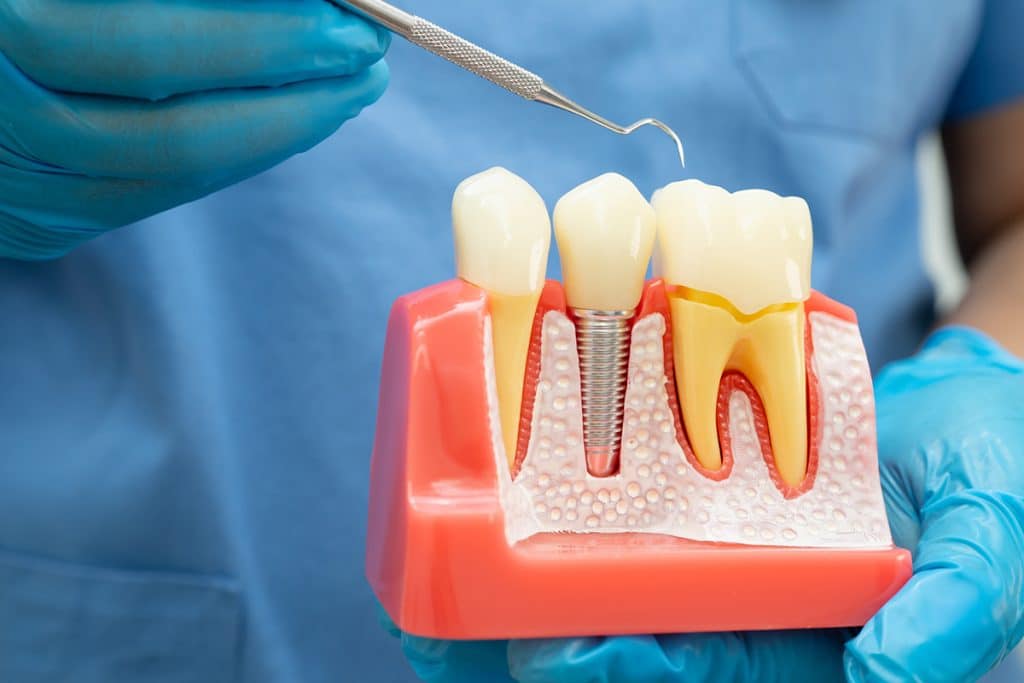
Replacing a missing tooth is one of the most important decisions you can make for your long-term oral health — and it deserves careful thought. We know the options can feel overwhelming at first. Dental implants and traditional dentures are both widely used, but they work in very different ways, and the choice you make today will shape how you eat, speak, and smile for years to come.
We put this guide together to give you clear, honest information — so you can make this decision with confidence. Below, we walk through three of the most meaningful advantages implants hold over dentures: how they protect your jawbone, how they feel and function in everyday life, and how they stand up over time. Read on, and we think you will find the answers you have been looking for.
Dental Implants Help Protect Your Jawbone
When you lose a tooth, you lose more than what shows in the mirror. The root also disappears, and your jawbone no longer receives the stimulation it needs to stay strong. Over time, the bone in that area can shrink — a process dentists call resorption. Traditional dentures rest on top of your gums, so they do not replace the root or slow the bone loss.
Implants work differently, and that distinction matters for your long-term health. A dental implant is a small titanium post that a dentist places into your jawbone, where it acts like a natural tooth root. Through a process called osseointegration, the bone fuses with the post, keeping it active and well-stimulated.
Why Bone Preservation Matters
Keeping your jawbone healthy protects more than just one tooth. Here is what strong bones support:
- Facial structure: Bone loss can cause a sunken, aged appearance around the mouth. Implants help maintain your natural contours.
- Neighboring teeth: A stable jaw helps keep surrounding teeth properly in place.
- A secure fit: Because the bone stays healthy, your restoration remains stable rather than loosening over time.
We view implants as an investment in the foundation of your smile — not just its surface.
Dental Implants Feel and Function Like Natural Teeth
We know that comfort is often the greatest concern, and that is entirely understandable. Traditional dentures can slip, click, or shift while you eat or speak. Some patients also find that dentures affect their sense of taste, since an upper denture can cover part of the palate.
Implants stay firmly in place because they anchor directly into the jaw. Once healing is complete, you can brush, floss, chew, and speak as you would with natural teeth. There is no adhesive to apply and no concern about slipping at the dinner table.
Everyday Advantages You Can Feel
Here is how implants can make daily life easier and more comfortable:
- Confident eating: You can enjoy crunchy, chewy, and firm foods that dentures can sometimes make difficult to eat.
- Clearer speech: Because implants stay fixed, you avoid the slipping that can affect certain sounds.
- Simple care: You clean implant-supported teeth with regular brushing and flossing — no soaking cups required.
- A natural look: A custom crown is color-matched to blend seamlessly with your surrounding teeth.
We want your restoration to feel like a natural part of you — not something you need to manage throughout the day.
Dental Implants Offer Long-Term Durability and Value
We understand that cost plays a role in any major decision. Traditional dentures often have a lower initial price, making them an appealing starting point. Over the years, however, dentures typically require relines, repairs, or full replacement as your gums and jaw change shape.
Implants are built to last. The titanium post is designed to remain in place for many years — often for a lifetime — with proper care and routine dental visits. The crown attached to it may eventually need replacement due to normal wear, but the underlying foundation typically stays stable.
Weighing the Bigger Picture
When comparing the two options over time, keep these points in mind:
- Fewer adjustments: Implants rarely require the frequent tweaks that dentures often need.
- Reliable performance: A well-placed implant stays secure meal after meal, year after year.
- Long-term value: A higher upfront cost can be offset by fewer replacements and repairs over time.
To learn more about the process and what to expect, we invite you to explore our dental implants page. We are happy to walk you through every step.
Choosing What Is Right for Your Smile
We believe the best choice is the one that fits your health, your comfort, and your goals. Dental implants stand out because they protect your jawbone, feel remarkably natural, and hold up well over the long term. Dentures still serve many patients effectively, particularly when budget or available bone density shapes the treatment plan.
The right next step is a conversation. We would love to evaluate your smile, answer your questions, and walk you through every available option in plain language. Together, we can find the path that leaves you smiling with confidence.
Frequently Asked Questions About Dental Implants
Are dental implants painful to get?
Most patients experience less discomfort than they anticipate. Your dentist numbs the area before placing the implant, so you remain comfortable throughout the procedure. Mild soreness afterward is normal and typically eases within a few days with straightforward at-home care.
How long do dental implants last?
With proper care, the titanium implant post can last many years — and often a lifetime. The crown may wear over time and eventually need replacement, but the foundation typically remains stable. Routine checkups and consistent daily brushing and flossing help protect your investment.
Am I a good candidate for dental implants?
Many adults with one or more missing teeth are strong candidates. Healthy gums and sufficient jawbone density to support the implant are the key factors. The most reliable way to find out is through a personal exam, during which we review your dental health and thoroughly discuss your options.
How do I care for dental implants?
You care for them as much as you would natural teeth. Brush twice a day, floss daily, and keep up with routine dental visits. There are no soaking cups or adhesives to worry about — a simplicity that many of our patients genuinely appreciate.
Can implants replace more than one tooth?
Yes — implants can replace a single tooth, several teeth, or support a full arch of restorations. Depending on your needs, a dentist may recommend implant-supported bridges or dentures for a secure, stable result. We are glad to help you determine what works best for your smile.
At Queen's Crown Dental, we help patients restore healthy, confident smiles through personalized, gentle care. Whether you are exploring dental implants or simply have questions, we welcome you to reach out to us and start the conversation.