

Invisalign vs. Traditional Braces: Which Is Right for You?
Straightening your teeth offers a significant step toward improving your oral health and boosting your confidence. Once you decide to start this journey, you may wonder which orthodontic treatment suits you best. For many years, people primarily chose traditional metal braces. Today, clear aligner technology presents a compelling alternative. You need to compare factors like appearance, lifestyle, treatment time, and cost when making this decision.
At Queen's Crown Dental, we guide our patients through this decision every day. We recognize that one solution may fit you perfectly, while another may work better for someone else. Both traditional braces and clear aligners give you practical tools for creating beautiful, healthy smiles. Our goal is to provide clear, factual information so you can make informed choices that align with your unique needs and goals.
The Appeal of Each Option: Aesthetics and Personal Experience
One of the most significant differences between clear aligners and traditional braces is appearance. Adults and teens often prioritize this aesthetic factor, since many feel self-conscious about wearing noticeable metal brackets and wires.
Traditional Braces
Traditional braces feature metal brackets that we attach to each tooth and connect with a thin archwire. Modern braces look smaller and more streamlined than before, but you will still see them when you smile. You can choose colored elastic bands to personalize your look, which appeals to many younger patients. However, adults in professional settings often find the visibility of metal braces less appealing. Brackets and wires sometimes irritate the inside of your cheeks and lips, especially at first, so you may need some time to adjust and use dental wax for added comfort.
Clear Aligners
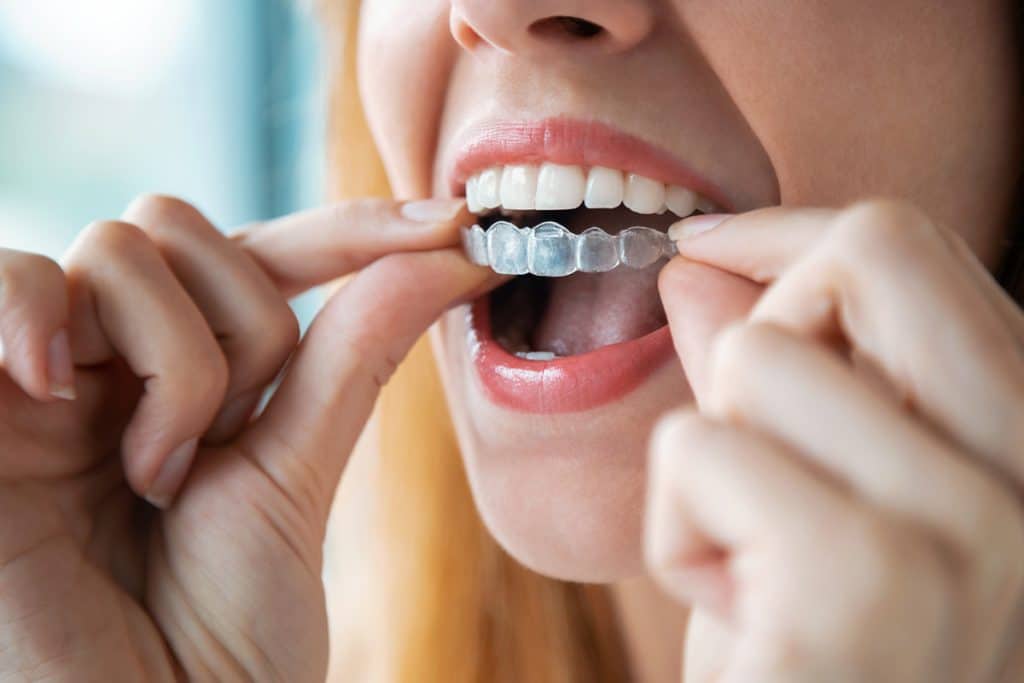
Clear aligners, such as Invisalign®, give you a nearly invisible way to straighten your teeth. These custom-made plastic trays fit snugly over your teeth and gently shift them into the correct position. Because they are transparent, most people will not even notice that you use orthodontic treatment. Many patients love the discretion that clear aligners provide. The smooth plastic material does not irritate the soft tissues of your mouth like metal brackets. You can remove your aligners for important photos or special events, enjoying a level of flexibility that braces do not offer.
How Treatment Impacts Your Daily Life
Orthodontic treatment becomes part of your daily routine, so you should understand how each option affects your lifestyle, especially regarding eating and oral hygiene.
Living with Traditional Braces
Patients with traditional braces adjust their diets for the best results. We advise you to avoid certain foods that may damage the brackets and wires.
- Hard foods: Nuts, hard candies, and ice can break brackets.
- Sticky foods: Caramel, taffy, and gum can get caught in the wires, making them difficult to remove.
- Chewy foods: Bagels and other tough breads can loosen brackets.
Oral hygiene also takes extra effort. Brushing and flossing around the brackets and wires takes more time. We suggest using specialized tools, such as interdental brushes or a water flosser, to clean between your teeth and around the hardware. These tools help you prevent plaque buildup, cavities, and gum inflammation.
Living with Clear Aligners
With clear aligners, you simply remove them before eating or drinking anything other than water. You no longer face dietary restrictions and can continue to enjoy all your favorite foods. Many people consider this freedom a significant lifestyle benefit. After eating, brush and floss your teeth thoroughly before putting the aligners back in place so you don’t trap food particles or sugar between your teeth, which could lead to decay. While this routine requires discipline, many patients quickly master it. You can also remove the aligners to brush and floss as you usually would, making it much easier to maintain excellent oral hygiene throughout your treatment.
Treatment Process, Effectiveness, and Cost
Beyond aesthetics and lifestyle, you need to compare the treatment process, the specific concerns each option corrects, and your financial investment. Both methods deliver highly effective results and suit different orthodontic needs.
Comparing the Nuts and Bolts
You visit our office every 4-8 weeks for adjustments during your braces treatment. At each appointment, we tighten the archwires and continue to guide your teeth into their correct positions. You can expect total treatment time for braces to range from 18 months to three years, depending on how complex your case is. Braces help correct a wide range of complex issues, including severe crowding, significant bite problems, and significant tooth rotations.
Clear aligner treatment starts with a digital scan of your mouth, which we use to design a precise 3D treatment plan. You receive a series of custom aligners and switch to a new set every 1 to 2 weeks. For best results, wear the aligners for 20-22 hours per day. You come in for progress check-ups, usually less often than with braces, about every 6-8 weeks.
Many patients complete treatment in 6 to 18 months, depending on their specific needs and how diligently they wear the aligners. Clear aligners correct many common orthodontic problems, but we turn to traditional braces for more complex cases. Most patients find that both treatments cost about the same, though your individual treatment length and complexity determine the final price.
Making the Best Choice for Your Smile
You make a personal decision when choosing between clear aligners and traditional braces, basing it on your orthodontic needs, lifestyle, and priorities. If you face complex bite issues or need significant tooth movement, you may benefit most from traditional braces for their proven ability to deliver precise results.
If you value discretion and flexibility, and clear aligners fit your orthodontic needs, you can enjoy an excellent, modern alternative. We recommend scheduling a thorough consultation with a dental professional who will assess your specific situation and guide you to your best option.
Frequently Asked Questions About Invisalign
Can you eat or drink with Invisalign aligners in?
You should remove your aligners for all meals, snacks, and any beverages other than cool water. Eating with your aligners can damage or stain them. When you drink sugary or acidic liquids while wearing aligners, you trap fluid between the aligners and your teeth, significantly increasing your risk of cavities.
How do I clean my Invisalign aligners?
Clean your aligners by gently brushing them with a soft-bristled toothbrush and clear, unscented soap, or a specialized aligner-cleaning solution. Brush your aligners every time you brush your teeth. Use only lukewarm water, as hot water can warp the plastic. Choose clear, non-abrasive toothpaste to avoid scratches or discoloration.
At Queen’s Crown Dental, we deliver state-of-the-art dental care for families and individuals throughout our community. We use advanced technology and always place our patients first to create healthy, beautiful smiles that last a lifetime. If you have any more questions about which orthodontic treatment best suits you, please reach out to us to schedule a consultation.