

How to Choose Between Dental Bridges and Implants for Missing Teeth
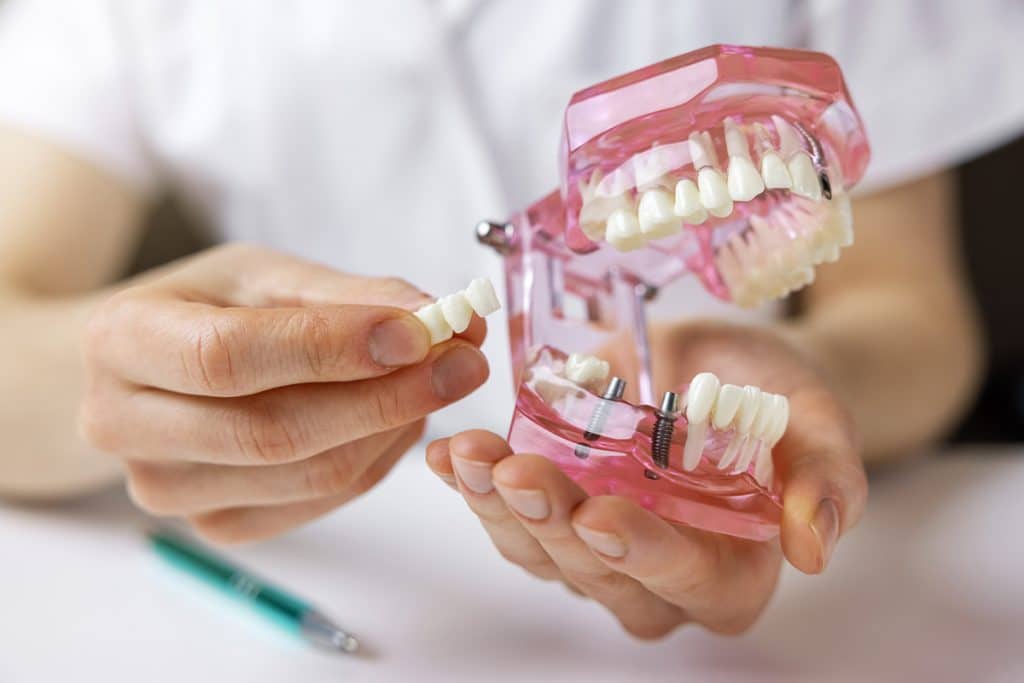
Deciding how to replace a missing tooth is a significant choice for your oral health and overall well-being. The gap left behind can affect your confidence, your ability to chew properly, and even the alignment of your remaining teeth. We often see patients face this decision, and the two most common and effective solutions include dental bridges and dental implants. Both options restore function and aesthetics, but they work in very different ways. If you understand these differences, you take the first step toward making an informed choice that best fits your needs, lifestyle, and long-term health goals.
As dental professionals, we guide our patients through this process every day. We believe knowledge empowers you, so we aim to present a clear, comprehensive comparison. We explore the structure, procedure, benefits, and considerations for both bridges and implants. We examine everything from the surgical requirements and healing time to the impact on adjacent teeth and jawbone health. When you review this information, you can weigh the pros and cons, then talk with your dentist to choose the best path to a complete, healthy smile. These treatments form the core of Restorative Dentistry, and we help you navigate your options.
What Are Dental Bridges?
A dental bridge restores one or more missing teeth by literally "bridging" the gap. The bridge includes two main parts: the pontic and the abutments. The pontic, which is the artificial tooth, fills the space of the missing tooth. The abutments support the bridge. Usually, crowns placed on the natural teeth on either side of the gap provide abutment support. These crowned teeth, called abutment teeth, anchor the pontic in place. To use a traditional bridge, you need healthy, strong teeth on both sides of the space.
The process for getting a dental bridge usually involves a few visits. First, we prepare the abutment teeth by removing a portion of the enamel to make room for the crowns that will fit over them. Next, we take impressions of your teeth, which serve as a model for the lab to create your custom bridge, pontics, and crowns. We fit you with a temporary bridge to protect the exposed teeth and gums while the permanent bridge is underway. On your next visit, we remove the temporary bridge and check the fit and color of the permanent one. Once we make any necessary adjustments, we cement the new bridge firmly into place, restoring your bite and the appearance of your smile.
Key Considerations for Dental Bridges
When we talk with patients about dental bridges, we make sure to cover several important points. One major advantage: bridges provide a non-surgical solution for tooth replacement. Many people find this appealing. Bridges also require less time, and we can usually finish the entire process in a few weeks. However, we must consider the impact on the adjacent abutment teeth. To place a bridge, we permanently alter these teeth by removing healthy enamel to fit the crowns. These teeth become more susceptible to problems down the road if you don't maintain meticulous oral hygiene.
We always look at the longevity and maintenance of a bridge:
- Lifespan: With excellent care, a dental bridge often lasts from 5 to 15 years or longer. Its durability depends on the health of the supporting teeth and your commitment to oral hygiene.
- Hygiene: Cleaning a bridge takes special attention. You need to clean under the pontic daily with a floss threader or water flosser to prevent plaque buildup, decay in the abutment teeth, and gum disease.
- Bone Health: A bridge does not stimulate the jawbone underneath the missing tooth. Over time, bone loss may develop, altering the appearance of your face and creating a small space under the pontic.
What Are Dental Implants?
A dental implant provides a comprehensive, three-part solution that replaces both the root and crown of a missing tooth. The first component, the implant itself, is a small, screw-like post usually made of biocompatible titanium. We surgically place this post directly into your jawbone, where it acts as a new tooth root. The second part, the abutment, is a connector piece that attaches to the top of the implant post after it fuses with the bone. The final piece, the restoration, is a custom-made dental crown that attaches to the abutment. This crown provides a natural-looking and fully functional replacement tooth.
The implant process requires a greater time commitment and involves more steps. It begins with a comprehensive evaluation, including imaging, to ensure you have enough bone density to support the implant. We then surgically place the implant post. Afterward, you need a crucial healing period called osseointegration, which can last several months. During this time, your jawbone grows around and fuses with the titanium post, creating a strong, stable foundation. Once osseointegration ends, we attach the abutment and then secure the final crown. With this method, you receive a standalone tooth replacement that does not rely on neighboring teeth for support.
Key Considerations for Dental Implants
When we recommend dental implants, we highlight their long-term benefits for your oral health. An implant stimulates the jawbone just like a natural tooth root, so your jaw remains healthy and maintains your facial structure. Implants also allow us to preserve all your adjacent healthy teeth, since we don't need to alter them during the procedure. Many patients find this benefit crucial if they want to keep their natural tooth structure intact.
We also discuss other important factors regarding implants:
- Durability: Dental implants offer the highest durability of any tooth replacement option. The implant post can last a lifetime with proper care, while the crown may need to be replaced after 10 to 15 years due to normal wear.
- Surgery: You need surgery for an implant, which brings certain risks and requires a healing period. Patients must maintain good general health and have enough jawbone to qualify, though bone grafting can allow more people to get implants, even with bone loss.
- Cost: The upfront cost for an implant generally exceeds that of a dental bridge. However, implants provide long-term value because they rarely need replacement.
Making Your Decision
When you choose between a dental bridge and a dental implant, consider several personal factors. You won't find a single solution that fits everyone; the right choice matches your oral health, budget, and long-term goals. If you have multiple consecutive missing teeth, a bridge may be a practical solution. Choose a bridge if you want a non-surgical option or if you need to work on a shorter timeline. Many patients who want to protect their natural teeth and avoid jawbone loss prefer implants.
We invite you to have an open conversation with us about your priorities. We can complete a thorough examination, including X-rays, to determine whether you qualify for either option. We discuss the health of your potential abutment teeth, the condition of your jawbone, your budget, and how each option fits your lifestyle. Our team provides all the information you need to select the treatment that restores your smile and confidence for years ahead.
Frequently Asked Questions About Restorative Dentistry
How do I care for a dental bridge versus a dental implant?
To care for a dental implant, brush twice a day and floss daily as you would with natural teeth. To care for a dental bridge, also brush twice a day, but use a floss threader or water flosser each day to clean under the pontic (the artificial tooth). This step prevents food particles and plaque from causing decay in the supporting abutment teeth or leading to gum disease.
Is the cost of a dental bridge or implant covered by insurance?
Insurance coverage for bridges and implants varies widely by plan. Many plans pay a portion of a dental bridge's cost, since most consider it a standard restorative procedure. Coverage for dental implants is more common now, but some plans still classify implants as cosmetic treatments or only cover part of the cost. Always check with your provider to learn about your benefits. Our office can help you get a pre-treatment estimate to clarify your out-of-pocket expenses.
At Queen's Crown Dental, we provide compassionate and comprehensive dental care for families and individuals throughout our community. We combine advanced technology with a personal touch to ensure every patient feels comfortable and confident in their treatment. To learn more about your options or to schedule a consultation, please reach out to us.